STRETCH MARK BLENDING
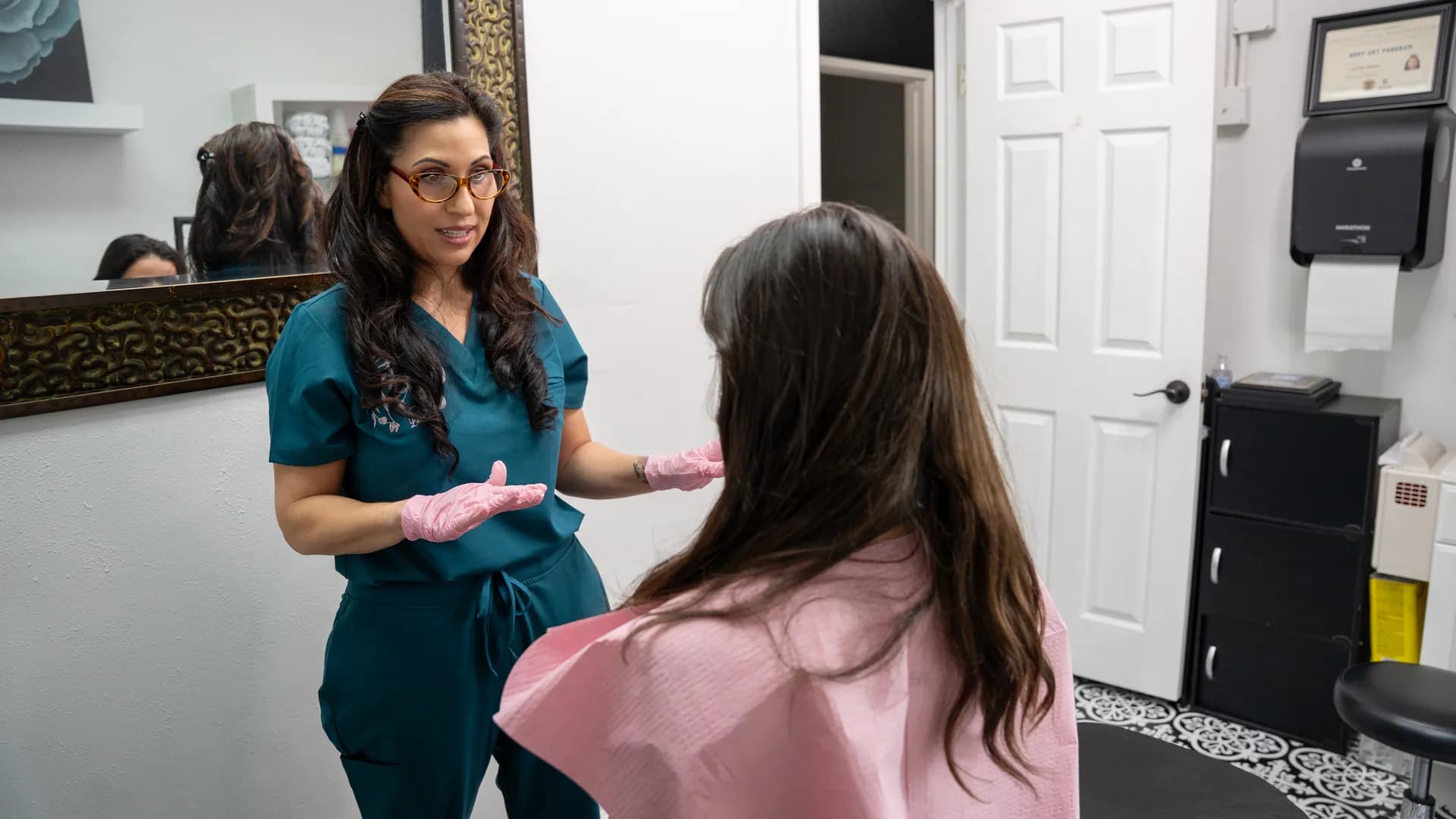
Stretch Mark Blending by Laurelle
By Laurelle offers paramedical stretch mark blending, a restorative micropigmentation service designed to visually soften the contrast of fully healed stretch marks so skin appears more even at a glance. Using custom, skin-true pigment blends and advanced layering techniques, we harmonize lighter striae with the surrounding skin while honoring your natural undertone and texture.
This service is ideal for individuals who want their stretch marks to be less noticeable in everyday life and photos. Care is always private, trauma-informed, and inclusive of all bodies and skin tones.
Stretch Mark Blending Is Designed For:
-
Abdomen and lower stomach
-
Hips and flanks
-
Thighs (inner and outer)
-
Breasts and chest
-
Buttocks and lower back
-
Shoulders and arms
Mature, lighter stretch marks (striae alba) typically respond best. Newly formed red or purple marks (striae rubra) are still changing and are better treated once fully healed.
THE EXPERIENCE
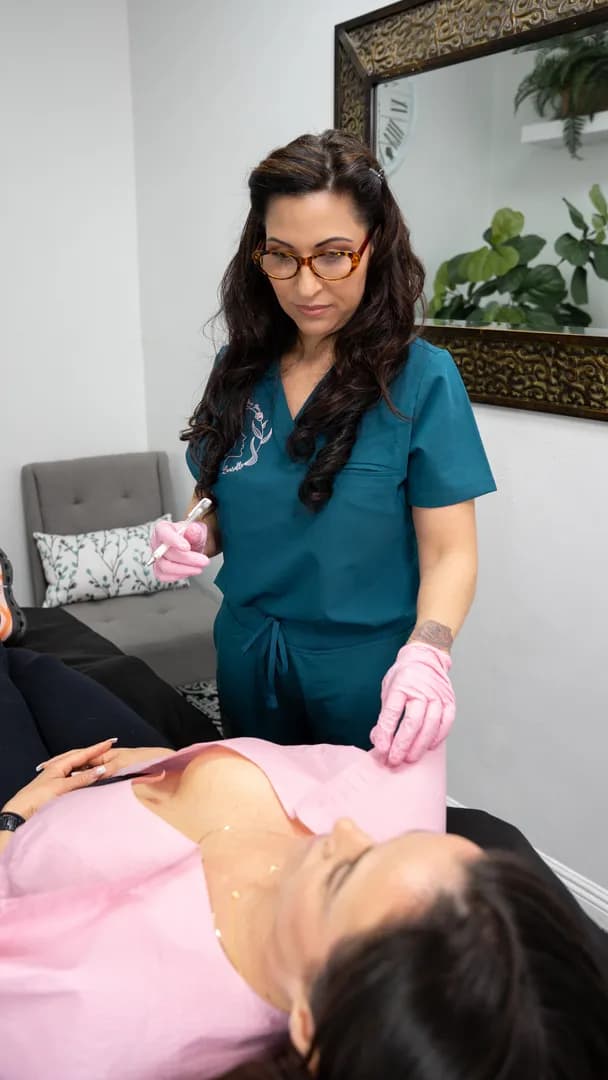
Your experience at By Laurelle is one-to-one, supportive, and paced entirely to your comfort. Stretch mark blending is a cosmetic, non-surgical tattoo service that works by layering pigment to reduce visual contrast—creating a soft-focus effect, not erasure.
Sensation is typically mild to moderate, and topical numbing is available. Breaks are welcome, mirrors are optional, and you are always in control of the pace. Laurelle works with a full spectrum of skin tones, using conservative color science and undertone analysis to ensure results heal naturally without ashiness or shifting.
What Sets the Experience Apart:
-
Trauma-informed care with consent at every stage
-
Private appointments in a calm, accessible studio
-
Custom pigment blending for all skin tones and depths
-
Conservative, detail-driven technique for natural results
-
Inclusive care for all bodies and identities
WHAT TO EXPECT
How Your Appointment Works
Consultation: We assess stretch mark maturity, undertone, skin health, and your goals while reviewing your history and expectations.
Custom Color Matching: Pigments are blended to your exact undertone and depth; neutralizers may be used for deeper skin tones. A small test patch may be recommended.
Blending Session (1–3 hours): Whisper-thin layers of pigment are applied with meticulous spacing to soften borders and break up contrast.
Perfecting Session: A follow-up visit at 6–10 weeks allows for refinement of color, depth, and transitions once healed.
Many clients complete blending in two sessions, though larger areas or complex patterns may benefit from additional visits. Results are semi-permanent and soften gradually over time.
Pre-Care
Avoid tanning, sunburn, and self-tanner on the area for 1–2 weeks
Pause retinoids, acids, and exfoliants on the site
Avoid alcohol the day before; arrive well-hydrated
Come with clean, product-free skin
Speak with your physician before adjusting blood-thinning medications
Aftercare
Follow provided aftercare instructions closely
Avoid picking or scratching during healing
Protect the area from sun exposure; use SPF once healed
Gentle skincare and sun protection help extend results